Before the smoke curled into the winter air and the bodies folded over themselves like broken mannequins, there were just neighborhoods. Corners. Subway steps. Row houses. Delis. People rushing to work. Kids walking home from school. The rhythm of New York City and Philadelphia had always been fast, gritty, imperfect — but alive.
Then K2 came.
They called it “synthetic marijuana,” “spice,” “legal weed,” but there was nothing natural about it. It arrived in shiny foil packets with cartoon graphics and fake brand names, sold openly in corner stores and smoke shops. Five dollars. Ten dollars. Cheap enough for anyone. Strong enough to erase everything.
At first, it felt like a shortcut. A faster high. A deeper escape. But the streets learned quickly — K2 didn’t relax you. It possessed you.
PART I: THE CORNERS
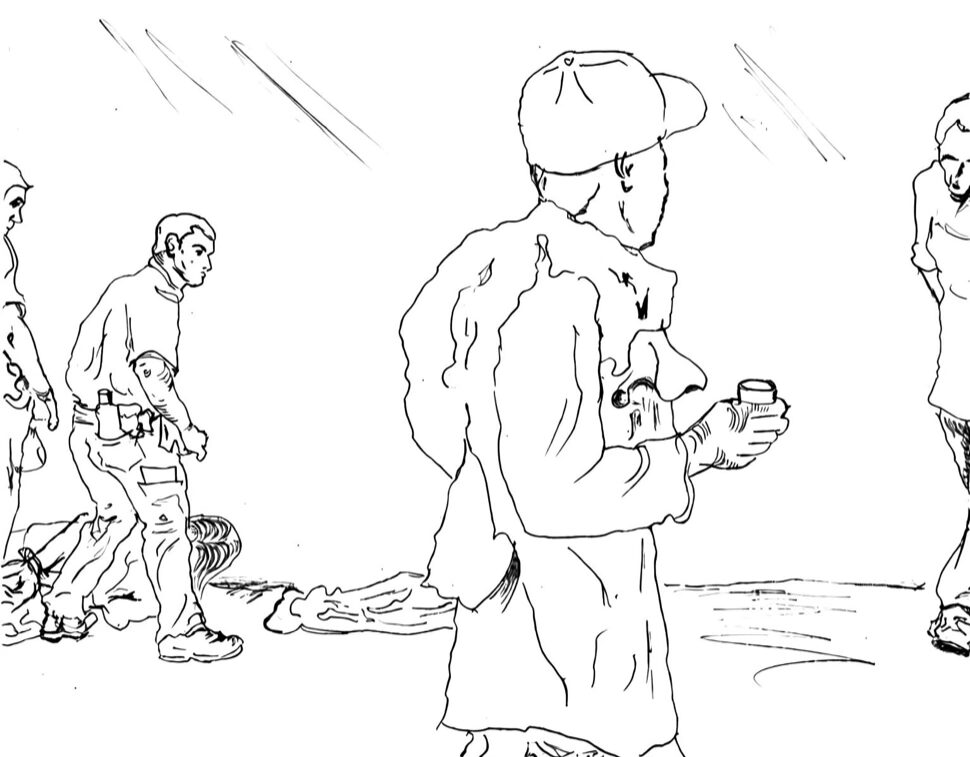
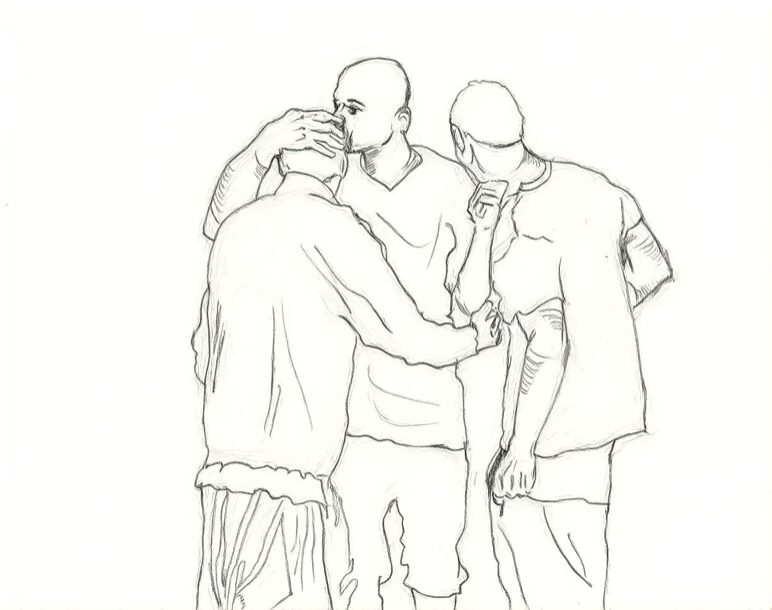
In Upper Manhattan, men gathered near bodegas, their voices loud at first. The ritual was simple: roll, light, inhale. Within minutes, the transformation began. One man stared into space as if the sky had split open. Another began shouting at something no one else could see. A third collapsed forward, body stiff, hands frozen mid-air like he was pressing against invisible glass.
People walking by stopped being surprised.
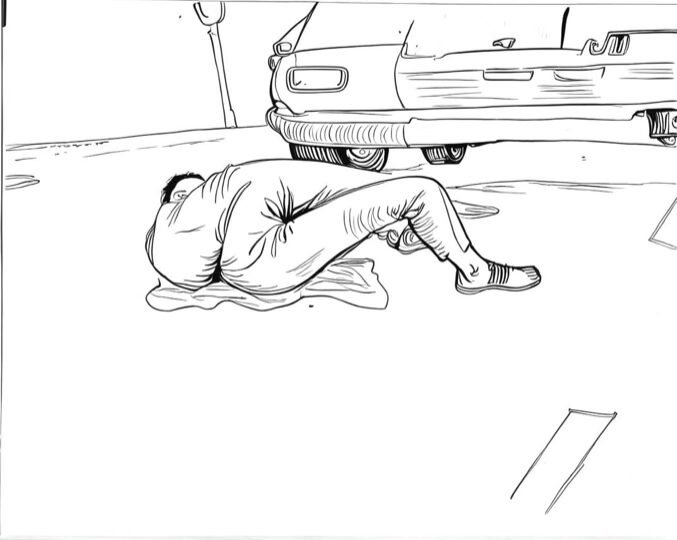
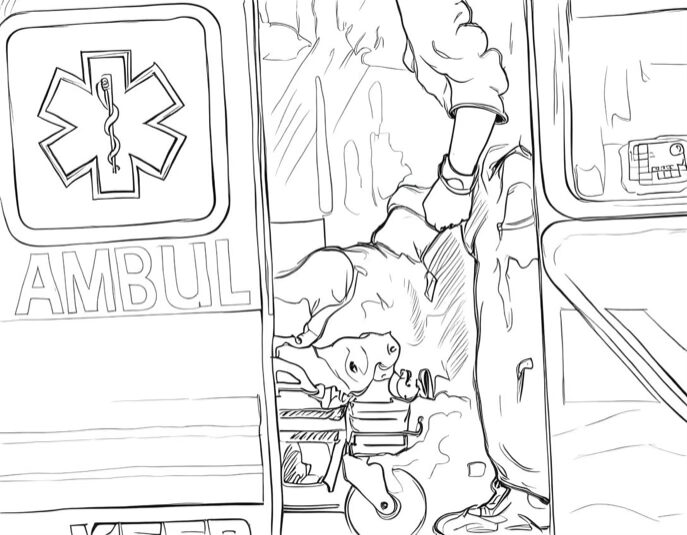
Across the river in Philadelphia’s Kensington neighborhood, the sidewalks told the same story. People bent at impossible angles, locked in place — what the media later called “the zombie pose.” Ambulances idled on blocks they knew by heart. Outreach workers carried Narcan even though K2 wasn’t an opioid, because sometimes no one was sure what had been sprayed onto those leaves.
K2 wasn’t one drug. It was a formula constantly changing. Chemists in hidden labs altered compounds faster than laws could catch up. Each batch was a gamble. One hit might do nothing. The next might send someone into cardiac arrest.
And for people already living on the edge — homeless, mentally ill, struggling with addiction — it felt like both refuge and ruin.
PART II: THE Fall
Darryl had come to New York chasing construction work. When the jobs dried up, so did the money. Shelters felt dangerous. Pride kept him outside. Someone handed him a K2 joint one cold night and told him it would help him forget the hunger.
It did.
For about twenty minutes. Then it took something else instead.
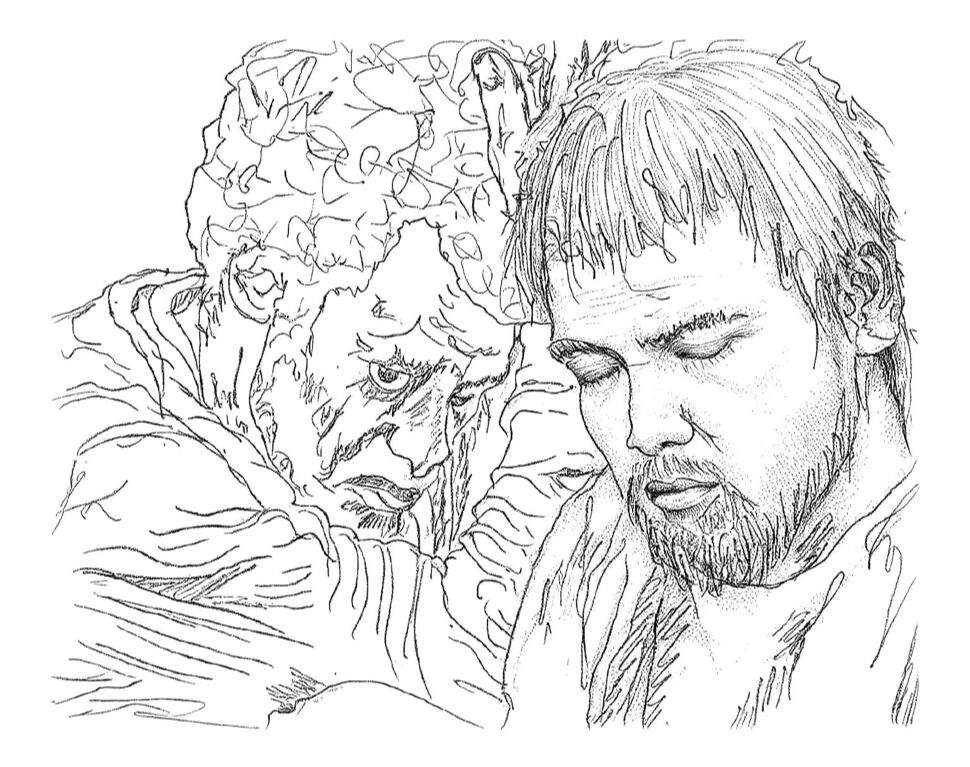
Soon, he wasn’t smoking to escape reality — he was smoking to escape the crash that followed. The depression. The shaking. The crawling anxiety under his skin. K2 rewired his brain in weeks. His speech slowed. His memory slipped. He began arguing with voices that weren’t there.
In Philadelphia, Tasha had fled an abusive relationship. She found temporary safety under an overpass with a small community of others surviving day to day. K2 was everywhere. It was cheaper than alcohol and easier to hide. At first it bonded them — passing joints in a circle like communion.
Then it turned them against each other.
Paranoia bred suspicion. Fights erupted over nothing. People disappeared — arrested, hospitalized, or worse.
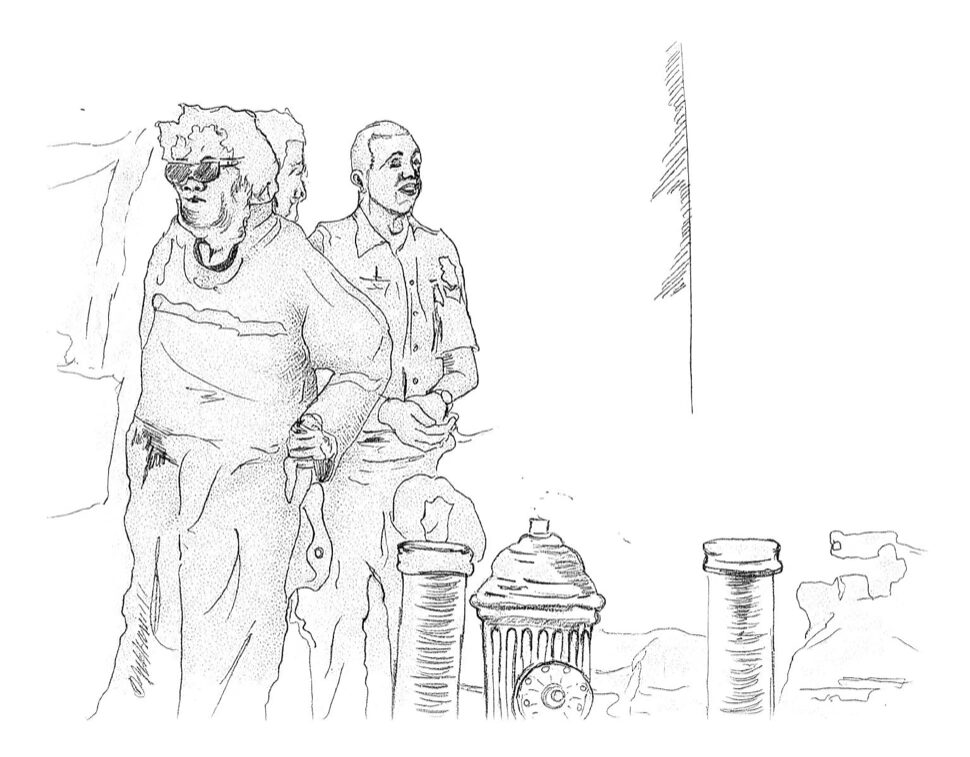
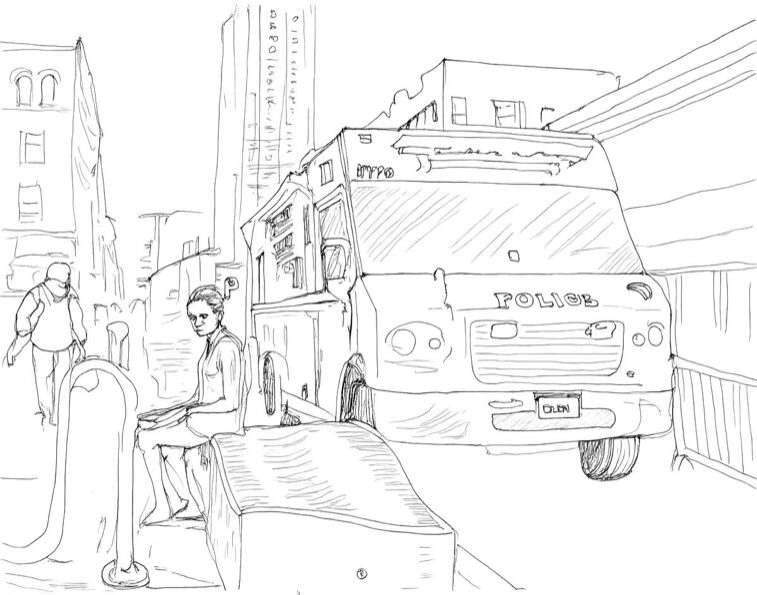
Emergency rooms filled with patients who didn’t fit traditional overdose patterns. Doctors struggled to treat symptoms they couldn’t predict. Police responded to behavior that looked criminal but was chemical. Social workers tried to build trust with people whose brains were under siege.
The system wasn’t built for a drug that changed its identity every month.
PART III: THE CITY REACTS
City officials in New York tried banning sales. Smoke shops were raided. Fines were issued. But as soon as one product was outlawed, another formula appeared under a new name.
In Philadelphia, outreach teams walked block by block, offering water, food, treatment referrals. But treatment for what? There was no standardized detox for K2. No guaranteed medication. Just monitoring and hope.
News cameras came. Headlines screamed about “zombies.” The public recoiled. But behind every viral video was a person — someone’s son, someone’s sister — locked inside a body reacting to chemicals it couldn’t process.
The crisis wasn’t just about a drug. It was about poverty. Housing. Mental health care. Desperation. K2 didn’t create those problems. It poured gasoline on them.
PART IV: THE HUMAN COST
What made K2 different wasn’t just its danger — it was its randomness. Some users recovered after weeks.
Some after months. Some never returned to who they were before.
Brains are delicate. Synthetic cannabinoids bind to receptors far more aggressively than natural cannabis. The result can be psychosis that lingers long after the smoke clears.
Families watched loved ones change almost overnight.
A mother in the Bronx kept photos of her son before K2 — smiling, steady-eyed. After months on the street, he barely recognized her. “It’s like he’s still in there,” she said. “But I can’t reach him.”
In Kensington, memorial murals multiplied. Not all deaths were direct overdoses. Some were exposure. Some violence. Some medical complications. But the common thread was instability.
K2 hollowed people out.
PART V: SURVIVAL
And yet, survival stories emerged.
Darryl entered a long-term residential program after collapsing during winter. It took months before his thoughts felt linear again. Therapy. Nutrition. Structure. Slowly, pieces returned.
Tasha connected with a women’s outreach center that offered trauma counseling alongside substance treatment. For the first time, someone asked not just what she was using — but why.
Communities began pushing for stronger regulation, more housing-first initiatives, and mental health crisis response teams instead of default police intervention. The conversation shifted from punishment to prevention.
K2 exposed fractures that had always existed.
It forced cities to look at who was falling through the cracks.
EPILOGUE: AFTER THE SMOKE
The foil packets still appear. The formulas still evolve. But awareness has grown. So has urgency.
The story of K2 is not just about a synthetic drug. It is about cities under pressure.
It is about people surviving invisible wars inside their own minds.
It is about systems reacting too late.
It is about how quickly escape can turn into captivity.
New York and Philadelphia continue moving — trains running, buses rolling, skyscrapers rising. But on certain corners, in certain neighborhoods, you can still see the ghost of that era in the cautious way outreach workers approach, in the tightened laws around smoke shops, in the memorial candles flickering against brick walls.
K2 left scars.
Not all of them visible.
ebook Availble
Interested in the ebook digital version much shorter in poetic form.
The Otherside is a raw and intimate memoir about surviving synthetic cannabinoid addiction while living homeless in New York City. What begins as a way to endure the cold and silence emotional pain quickly turns into psychological unraveling — paranoia, memory loss, and the slow erosion of identity.
Told from street level, The Otherside explores how poverty, trauma, and invisibility collide with dangerous synthetic drugs that spread rapidly through vulnerable communities. As the author watches others disappear — some mentally, some physically — he begins to recognize his own fading reflection.
The turning point comes not through dramatic collapse, but through a memory of who he once was — a reminder that he is not beyond repair. Entering a recovery program, he begins the slow and uncomfortable process of rebuilding his mind, reclaiming structure, and learning to live without chemical silence.
The Otherside is not a story of instant redemption. It is a story of survival, accountability, and the stubborn resilience of identity.
It is the story of someone who almost disappeared — and chose to come back.